 Just Clean
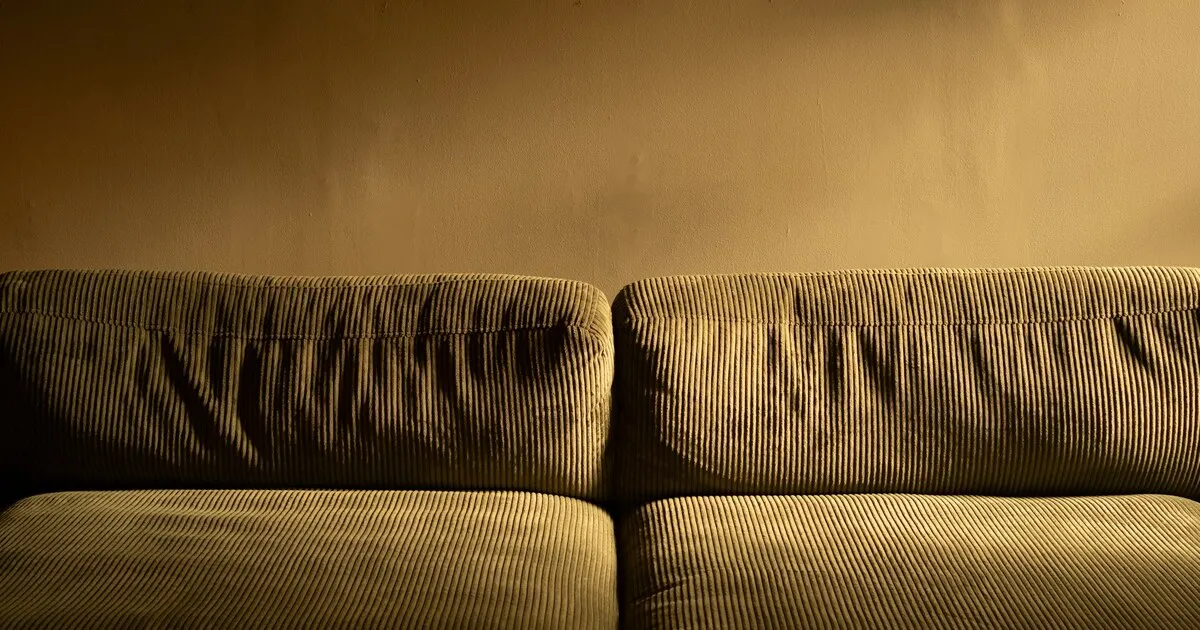
Clean your sofa yourself or call a pro, what really pays off in Switzerland in 2026? The honest answer depends on three factors: the type of soiling, the material of the upholstery and how much time you want to invest. This guide compares the real costs, effort and results of both routes, so you can make an informed decision before reaching for the spray bottle or the phone.
When is DIY enough: and when is a pro the better choice?
DIY is often suitable for:
- small, fresh stains
- light dirt and routine care
- washable or removable covers
- robust standard woven fabrics
Professional cleaning often pays off for:
- urine or odour problems
- large or older stains
- delicate fabrics (velour, microfibre, leather)
- allergy or pet households
- more expensive sofas that should be preserved
Not sure whether your sofa can still be cleaned yourself?
Send us a photo via WhatsApp, we will tell you honestly whether DIY still makes sense or whether a professional cleaning is the better way.
💡 Buy a new sofa or save the existing one?
Especially with high-quality sofas, professional cleaning is often far more worthwhile than an early replacement. A cleaning usually costs less than 10% of the price of a comparable new sofa, and adds several years of use.
The quick decision: when is DIY enough, when do you need a pro?
In practice, the question «clean it yourself or commission a professional sofa cleaning?» can often be answered in 30 seconds. This rule of thumb helps:
Cleaning yourself is usually enough for:
- Fresh, light stains (coffee, water, light food), if you react within 10 minutes
- Routine care every 1–2 weeks (vacuuming, plumping cushions)
- Standard woven fabrics with no delicate care instructions
- Light soiling without deep-seated dirt or odours
A pro is needed for:
- Dried-in or older stains (wine, pet urine, blood, make-up)
- Delicate materials (velour, microfibre, real leather, suede)
- Odours that no longer disappear (smoke, pets, sweat)
- Allergy sufferers in the household, dust mites sit deep in the upholstery
- Before moving out of a rented flat, upholstered furniture often has to be handed over hygienically clean
- Deep cleaning every 1–2 years as value retention for the sofa
Clean your sofa yourself: real costs and effort
Most DIY guides suggest that sofa cleaning is «almost free». That is only partly true, once you honestly factor in time and one-off purchases, it adds up.
Material costs (one-off or as a supply)
- Upholstery cleaner spray: 12–25 CHF (e.g. Vanish, Dr. Beckmann, bio alternatives)
- Baking soda: 5–10 CHF for 500 g
- Microfibre cloths: 10–20 CHF for a set
- Upholstery nozzle for the vacuum: 15–40 CHF (if not already owned)
- Optional: upholstery brush: 8–15 CHF
Total basic equipment: approx. 50–110 CHF, one-off. With regular use of cleaning agents, 15–30 CHF per cleaning round are added.
Realistic time required
- Preparation (move furniture aside, vacuum): 20–30 minutes
- Stain treatment: 30–60 minutes
- Surface cleaning (3-seater): 60–90 minutes
- Drying (sofa must not be used): 8–10 hours
If you fairly count your working time (e.g. 30 CHF per hour), 2–3 hours of DIY effort already mean 60–90 CHF, on top of the material. Realistically, a thorough self-cleaning ends up at 110–200 CHF once time is counted as value.
Professional sofa cleaning: what do you really pay?
The minimum prices for professional sofa cleaning in Switzerland start in 2026 at around 150 CHF for a 2-seater. For a 3-seater, prices typically start from 180 CHF, and a corner sofa costs from 250 CHF. The final price depends, as is usual with reputable providers, on material, degree of soiling and region, and is set individually after a photo assessment.
Detailed price tiers by furniture type can be found in our article Upholstery cleaning cost Switzerland 2026.
What is included in the pro price:
- Fibre-friendly deep cleaning with an extraction machine, penetrates much deeper into the upholstery than any brush
- Professional, allergy-friendly bio cleaning agents
- Material-specific treatment for velour, microfibre, woven fabrics, leather
- Stain pre-treatment for stubborn spots
- On-site travel in the cantons of Zürich, Zug, Lucerne, St. Gallen, Basel, Bern, Solothurn, Aargau, Obwalden, Nidwalden and Schwyz (within these regions usually included in the minimum price)
- Drying time: 8–10 hours, as with DIY too, the difference lies in the depth of the cleaning result
Clean sofa yourself or pro: direct cost comparison
Cost (3-seater sofa, moderate soiling)
- Cleaning yourself: 30–60 CHF material + 2–3 h time (value: 60–90 CHF) = realistically 110–200 CHF
- Pro: from 180 CHF flat, done, no work time of your own
Cleaning result
- DIY: surface cleanliness, stains often 60–80% removed. Deep dirt, mites and bacteria largely remain
- Pro: deep cleaning with extraction removes dirt from the lower fibre layers. Realistic expectation: 80–95% of the soiling gone, depending on the type and age of the stains
Risks
- DIY risks: watermarks from too much moisture, damaged fibre structure from incorrect rubbing, permanent discolouration on blended fibres. Particularly tricky with velour
- Pro risks: minimal with reputable providers, as methods are material-tested. Important: an honest assessment before the appointment
Rule of thumb: for a 3-seater worth 1,500–4,000 CHF, a professional cleaning every 1–2 years is an investment in value retention, self-inflicted damage from unsuitable products is often more expensive than the pro invoice.
Why DIY cleaning sometimes makes everything worse
Most permanent damage to sofas is not caused by the original stain, but by the wrong cleaning attempt. These are the problems we see most often in customer enquiries:
- Too much water → the upholstery core stays damp, watermarks appear, in the worst case a musty smell after 24–48 hours
- Wrong cleaner → universal sprays or bleach can discolour fabric or permanently damage the fibre structure
- Wrong chemistry for the material → what works on microfibre ruins velour or leather
- Spot cleaning instead of large-area cleaning → the stain disappears, but a lighter ring or shadow remains
- Rubbing instead of dabbing → the dirt is pushed deeper into the fabric and is then almost impossible to get out
When such consequential damage occurs, a professional cleaning is often more complex (and more expensive) than it would have been without the DIY attempt.
Cleaning vs. buying new: when professional cleaning is economically worth it
A new sofa typically costs 2,000–5,000 CHF in Switzerland, designer pieces considerably more. A professional deep clean is in the range of 150–300 CHF per cleaning appointment. Just one good cleaning often extends the lifespan of a high-quality sofa by several years.
Especially with high-quality sofas, professional cleaning is often far more worthwhile than an early replacement. Typical scenarios from practice:
- Designer or brand sofa (3,000+ CHF): deep clean every 1–2 years, cost approx. 200 CHF, value retention several thousand CHF
- Sofa after pet urine or an odour problem: cleaning with enzyme treatment from 200–250 CHF, the alternative would be a new purchase for 2,000+ CHF
- Before a move or handover of a flat: professional cleaning protects the rental deposit and avoids disputes with the landlord
- Allergy sufferers or families with children: regular deep cleaning does not replace a new purchase, but significantly improves living hygiene
The maths is usually simple: a professional cleaning costs less than 10% of the new price of a comparable sofa, and gains several years of use. Detailed price ranges can be found in our cost guide Upholstery cleaning Switzerland 2026.
Special case: allergy sufferers and households with pets
Dust mites are the most common cause of allergic reactions in the sleeping and living area. They sit deep in the upholstery fibres and are only partially reached by surface vacuuming. The Swiss Allergy Centre aha! recommends that allergy sufferers have upholstered furniture and mattresses professionally deep-cleaned on a regular basis.
In pet households (dogs, cats), pet hair, skin flakes and odour particles also accumulate in the upholstery. DIY is hardly enough here, especially with velour and microfibre, hair becomes literally worked into the fibre. A professional mattress cleaning is additionally advisable in such households.
When does a pro make no economic sense?
There are clear cases in which DIY remains the better choice:
- Very cheap, older sofa shortly before disposal, a professional cleaning of 200 CHF is not worth it for a piece with a residual value under 300 CHF
- Fresh, small stain the size of a cup, treat immediately with a cloth and water, no appointment needed
- Regular routine care (weekly vacuuming, plumping), always remains the residents' job
Our recommendation from practice at Just Clean KLG
We recommend a pragmatic mix:
- Weekly: vacuum with an upholstery nozzle, plump the cushions
- For fresh stains: dab immediately (do not rub), mild dish soap with lukewarm water, start at the edge
- Every 12–24 months: professional deep cleaning, for value retention, hygiene and a truly fresh living feeling
- Before important occasions or moving out: book a pro in good time (at least 1 week in advance)
- Also commercial clients, offices, hotels, practices benefit from a fixed cleaning rhythm
Frequently asked questions: clean your sofa yourself or call a pro
Can I clean my sofa myself with a steam cleaner?
Only to a limited extent, and only if the manufacturer expressly permits it. Velour, microfibre and many blended fabrics react sensitively to heat and moisture. Incorrect use causes permanent watermarks or altered fibre structures. When in doubt, check the care label or ask a professional.
Can I clean my sofa myself with a wet vacuum?
A wet vacuum (wet & dry vacuum or small household extractor) can help on robust woven fabrics to pick up surface moisture and loosened dirt, but only if it is suitable for upholstery and water is used very sparingly. For velour, microfibre or suede it is not advisable. Professional extraction machines work with a different water-pressure ratio and pull dirt from deeper layers, a normal household wet vacuum cannot achieve that.
Can too much water damage a sofa?
Yes, and it is one of the most common causes of DIY damage. Too much moisture penetrates the upholstery core, dries slowly and can lead to watermarks, discolouration or a musty smell from mould. On wooden-frame sofas the internal construction and glued joints can also suffer. Rule of thumb: less water, more dabbing, and after cleaning, ventilate well and let it dry completely (8–10 hours).
When is a professional sofa cleaning worth it?
A professional cleaning clearly pays off in these cases: a high-quality sofa (value retention), a dried-in or large stain, an odour problem (especially pet urine), delicate material such as velour or microfibre, allergy sufferers in the household, before moving out of a rented flat, or as a regular deep clean every 12–24 months. For a 3-seater worth 1,500–4,000 CHF, a cleaning of 180–250 CHF pays for itself with just one additional year of use.
Is a professional sofa cleaning worth it in Switzerland at all?
The honest answer depends on the sofa:
- For cheap, older sofas (residual value under about 300 CHF, shortly before disposal) a professional cleaning of 180+ CHF is usually not worthwhile, buying a new piece is often more worthwhile here.
- For quality sofas (designer, solid wood frame, high-quality covers in the 2,000–6,000 CHF range) a regular deep clean is almost always far cheaper than an early replacement, and extends the lifespan by several years.
- For odour problems or pet urine a professional cleaning with enzyme treatment is usually much more effective than any DIY attempt, and often the only realistic alternative to buying new.
In short: yes, a professional sofa cleaning in Switzerland is worth it, but not equally so in every case. If you are unsure, you can send us a photo via WhatsApp and get an honest, free initial assessment.
Do home remedies like baking soda really work?
Baking soda works well for binding odours and for surface stains on robust woven fabrics. For deeper-seated dirt, mites or pet urine it is not enough, the effect stays on the surface.
How often should you have a sofa professionally cleaned?
For private households: every 12–24 months, depending on use. Families with children or pets: yearly. Allergy sufferers: every 6–12 months, ideally before the heating season.
What does a professional sofa cleaning cost in Switzerland?
Minimum prices start at around 150 CHF (2-seater) and 180 CHF (3-seater). The exact price is named individually after a photo assessment. More in our cost guide 2026.
Is the stain guaranteed to be removed?
No, and reputable providers will tell you so honestly. No one can guarantee the result 100%, it depends on the type, age and depth of the soiling and on the material. At Just Clean KLG we assess the case realistically before we start and say openly what is achievable.
Conclusion: a hybrid strategy beats either-or
Most Swiss households do best with a simple mix: routine care yourself, a pro for deep cleaning and emergencies. That way the sofa stays beautiful for longer, the costs are predictable, and you invest your time where it makes the most sense, not in a 3-hour DIY sofa cleaning with an uncertain result.
Do you need an honest assessment of your sofa? Send us a photo via WhatsApp or call us at +41 79 522 29 19. We reply within 24 hours with a binding quote for your sofa cleaning or mattress cleaning.
More from our guide: